
Adult Vaccinations: What You Need at Every Age
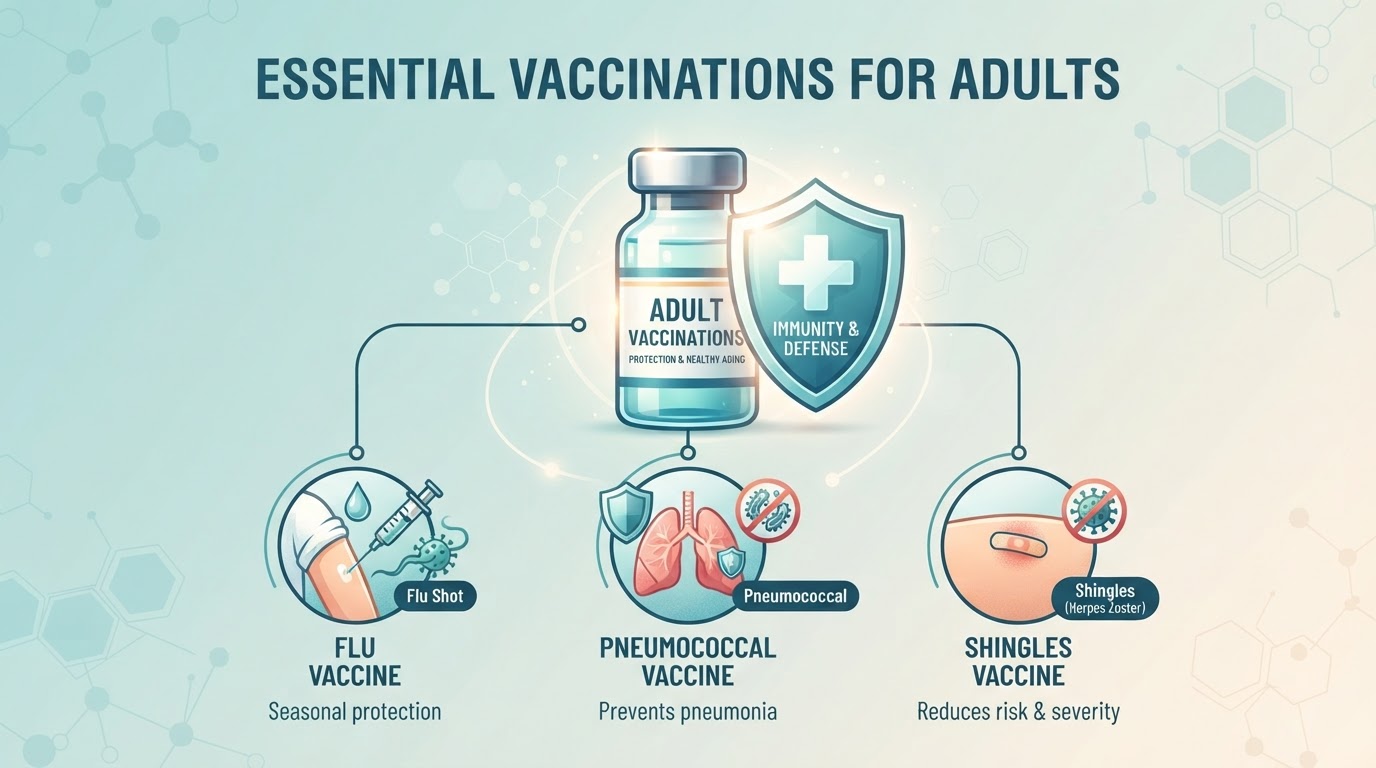
When most people think about vaccinations, they think about childhood immunizations. However, vaccines are an essential part of preventive healthcare throughout your entire life. As an adult, you need vaccines to protect yourself from diseases that become more common or more dangerous with age, to maintain immunity from childhood vaccines that may have waned, and to protect those around you who may be more vulnerable to infections.
Adult vaccination rates in the United States are concerningly low. Many adults are unaware of which vaccines they need, mistakenly believe they were fully vaccinated as children, or are concerned about vaccine safety. This leaves millions of adults at risk for preventable diseases like influenza, pneumococcal pneumonia, shingles, and pertussis.
Dr. Ddamulira can review your immunization history, assess which vaccines you need based on your age, health conditions, and lifestyle, and administer vaccines during your visit. Staying current with your vaccinations is one of the simplest and most effective things you can do to protect your health.
Annual Influenza (Flu) Vaccine
The influenza vaccine is recommended for everyone aged 6 months and older, every year. Influenza is a serious respiratory illness that causes fever, cough, sore throat, body aches, and fatigue. While most people recover within a week or two, the flu can lead to serious complications like pneumonia, bronchitis, and sinus infections, especially in older adults, pregnant women, young children, and people with chronic conditions.
Why You Need It Every Year
The flu virus changes constantly. Each year, researchers identify the strains most likely to circulate and update the vaccine accordingly. Your immunity from last year's vaccine also decreases over time, so annual vaccination is necessary for optimal protection.
Flu Vaccine Options for Seniors
For adults aged 65 and older, the immune system doesn't respond as strongly to vaccination. Higher-dose flu vaccines and adjuvanted vaccines are specifically designed to provide a stronger immune response in older adults. Dr. Ddamulira can recommend the most appropriate flu vaccine for your age and health status.
Common Myths About the Flu Vaccine
- "The flu shot can give you the flu." This is false. The injectable flu vaccine contains inactivated (killed) virus or no virus at all. It cannot cause influenza. Some people experience mild side effects like soreness at the injection site or a low-grade fever, which is a sign your immune system is responding.
- "I got the flu shot and still got sick." The flu vaccine takes about two weeks to provide full protection. If you are exposed to the flu during this window, you could still get sick. Also, the vaccine doesn't protect against all respiratory viruses, just influenza.
- "I'm healthy, so I don't need it." Even healthy adults can get seriously ill from the flu. Getting vaccinated also protects vulnerable people around you who cannot get vaccinated.
Shingles Vaccine
Shingles is a painful rash caused by the varicella-zoster virus, the same virus that causes chickenpox. If you have ever had chickenpox, the virus remains dormant in your nervous system and can reactivate years later as shingles. The risk of shingles increases with age, and about one in three people in the United States will develop shingles in their lifetime.
Symptoms and Complications
Shingles typically begins as a burning, tingling, or painful sensation on one side of the body, followed by a rash that blisters. The rash usually clears within two to four weeks, but the pain can be severe and debilitating. The most common complication is postherpetic neuralgia (PHN), a condition where severe pain persists in the area of the rash for months or even years after the rash has healed. PHN is more common in older adults.
The Vaccine
The CDC recommends the shingles vaccine (Shingrix) for all healthy adults aged 50 and older, including those who have already had shingles. Shingrix is more than 90 percent effective at preventing shingles and PHN. It is given as two doses, two to six months apart. Even if you received the older shingles vaccine (Zostavax), you should still get Shingrix for better protection.
If you had shingles in the past, getting vaccinated can help prevent a recurrence. The pain of shingles can be severe enough to interfere with daily activities, sleep, and quality of life. The vaccine is a simple, effective way to protect yourself from this painful condition.
Pneumococcal Vaccine
Pneumococcal disease is caused by Streptococcus pneumoniae bacteria, which can cause pneumonia, meningitis, and bloodstream infections. These infections can be life-threatening, especially for older adults and people with chronic health conditions.
Who Should Get Vaccinated
The CDC recommends pneumococcal vaccination for:
- All adults aged 65 and older
- Adults aged 19 to 64 with chronic conditions like diabetes, heart disease, lung disease (including asthma and COPD), liver disease, or weakened immune systems
- Adults who smoke cigarettes
Types of Pneumococcal Vaccines
There are several pneumococcal vaccines available. Dr. Ddamulira will determine which vaccine (or combination of vaccines) is appropriate for you based on your age, health conditions, and vaccination history. Some adults may need more than one dose for full protection.
Pneumococcal pneumonia is a serious lung infection that can require hospitalization. Symptoms include high fever, cough, chest pain, difficulty breathing, and fatigue. Vaccination significantly reduces your risk of this dangerous infection. If you are 65 or older or have a chronic condition, talk to Dr. Ddamulira about getting your pneumococcal vaccine.
Tetanus, Diphtheria, and Pertussis (Tdap)
The Tdap vaccine protects against three serious diseases:
- Tetanus: A bacterial infection that causes severe muscle spasms, often starting in the jaw (lockjaw). Tetanus bacteria enter the body through cuts or wounds. The disease is rare in the United States thanks to vaccination, but the bacteria are common in soil and can infect anyone who is not immunized.
- Diphtheria: A serious bacterial infection that affects the mucous membranes of the throat and nose. It can cause breathing problems, heart failure, and paralysis. Diphtheria is extremely rare in the United States due to vaccination.
- Pertussis (whooping cough): A highly contagious respiratory infection that causes severe coughing spells. While it can affect people of any age, it is most dangerous for infants, who can develop life-threatening complications. Adults are often the source of infection for infants who are too young to be fully vaccinated.
Recommendations
Adults should receive a Tdap booster if they have never had one, followed by a Td (tetanus and diphtheria) booster every 10 years. If you have a wound that is dirty or deep, you may need a booster even if it has been less than 10 years since your last one.
If you are a grandparent, caregiver, or expectant parent, getting the Tdap vaccine is especially important. Pertussis can be deadly to infants. By getting vaccinated, you create a protective "cocoon" around vulnerable babies. Pregnant women should receive a Tdap vaccine during each pregnancy, ideally between 27 and 36 weeks.
Other Important Adult Vaccines
COVID-19 Vaccine
COVID-19 vaccines and boosters are recommended for everyone aged 6 months and older. The specific recommendations change as new variants emerge and updated vaccines become available. Dr. Ddamulira can advise you on the latest COVID-19 vaccine recommendations for your age and health status.
Hepatitis A and B
Hepatitis A and B are viral infections that affect the liver. Vaccination is recommended for adults with certain risk factors, including travel to countries with high rates of hepatitis, chronic liver disease, certain medical conditions, and occupational exposure. These vaccines are also recommended for all adults aged 19 to 59, and for adults 60 and older with risk factors.
MMR (Measles, Mumps, Rubella)
Adults born after 1957 who have not been vaccinated or have not had these diseases should receive the MMR vaccine. Measles outbreaks still occur in the United States, and adults who are not immune can catch and spread this highly contagious disease.
HPV (Human Papillomavirus)
The HPV vaccine prevents certain cancers caused by HPV, including cervical, anal, and oropharyngeal cancers. While the vaccine is most effective when given before sexual activity begins, adults aged 27 to 45 may benefit from vaccination after discussing with their healthcare provider.
Travel Vaccines
If you plan to travel internationally, you may need additional vaccines depending on your destination. Dr. Ddamulira can advise you on travel-specific vaccine recommendations and help you get them before your trip.
Keeping Track of Your Vaccinations
One of the challenges of adult vaccination is knowing what you have already received and what you still need. Unlike children, whose vaccines are carefully tracked through school requirements, adults often have incomplete immunization records.
Tips for Staying on Track
- Ask for an immunization record: Every time you receive a vaccine, ask for documentation. Keep these records in a safe place.
- Review your vaccines at your annual physical: During your yearly check-up, ask Dr. Ddamulira to review your immunization history and recommend any vaccines you are due for.
- Know your risk factors: Certain health conditions, medications, and lifestyle factors may require additional vaccines or different timing.
- Don't delay: If you are due for a vaccine, schedule it as soon as possible. Vaccine-preventable diseases can cause serious illness, hospitalization, and even death.
Vaccines are one of the greatest achievements in modern medicine, preventing millions of cases of disease and saving countless lives every year. As an adult, staying current with your vaccinations is a simple but powerful way to protect your health and the health of those around you. If you are unsure which vaccines you need, schedule an appointment with Dr. Ddamulira. She can review your history, assess your needs, and help you get up to date on your immunizations.
Need to discuss this with a doctor?
Dr. Ddamulira is accepting new patients in Avondale, AZ.
In this article
Expert Primary Care in Avondale
Don't ignore your health. Schedule a comprehensive evaluation with Dr. Marion Ddamulira today. We accept Medicare and most major insurances.
Related Articles
Browse All Health Tips Articles
Learn about the early warning signs, dietary adjustments, and how regular monitoring can help you live a full life with diabetes.

Small changes to your daily routine can make a massive difference in your cardiovascular health. Discover our top 5 evidence-based recommendations.

Why skipping your annual check-up could be costing you your health. Preventive care is the key to longevity and early detection.