
Arthritis and Joint Pain: A Comprehensive Guide to Living Better
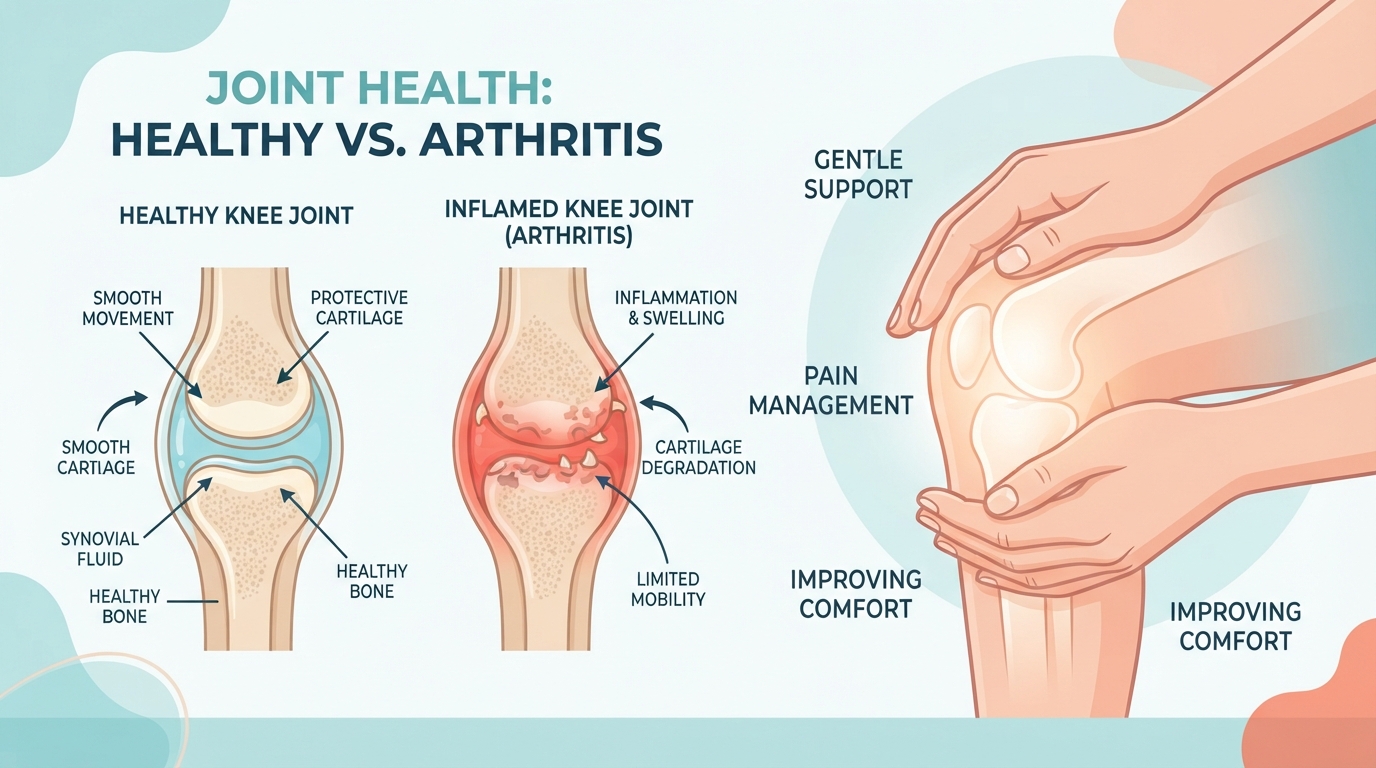
Arthritis is one of the most common chronic conditions in the United States, affecting more than 50 million adults. The term "arthritis" actually refers to more than 100 different conditions that affect the joints, the tissues that surround the joints, and other connective tissues. While arthritis is often thought of as a single disease, it encompasses a wide range of disorders with different causes, symptoms, and treatments.
The most common symptoms of arthritis include joint pain, stiffness, swelling, redness, and decreased range of motion. These symptoms can range from mild to severe and may come and go or persist over time. Severe arthritis can interfere with daily activities, making it difficult to walk, climb stairs, or even perform simple tasks like opening a jar.
While there is no cure for most types of arthritis, effective management can significantly reduce pain, preserve joint function, and improve quality of life. Dr. Ddamulira provides comprehensive arthritis management, combining medication, lifestyle recommendations, and coordination with specialists when needed.
Types of Arthritis
Osteoarthritis (OA)
Osteoarthritis is the most common form of arthritis, affecting millions of people worldwide. It is often called "wear and tear" arthritis, though this description oversimplifies the condition. OA occurs when the protective cartilage that cushions the ends of your bones gradually wears down. Without this cartilage, bones rub against each other, causing pain, swelling, and stiffness.
Osteoarthritis most commonly affects joints in the hands, knees, hips, and spine. Risk factors include age, obesity, joint injuries, repetitive stress, genetics, and being female. Symptoms typically develop slowly and worsen over time.
Rheumatoid Arthritis (RA)
Rheumatoid arthritis is an autoimmune disease, meaning your immune system mistakenly attacks your own body's tissues. In RA, the immune system primarily targets the synovium, the lining of the membranes that surround your joints. This causes inflammation that can eventually destroy cartilage and bone within the joint.
Unlike osteoarthritis, which typically affects one side of the body more than the other, rheumatoid arthritis usually affects the same joints on both sides of the body simultaneously. RA most commonly affects the wrists, hands, and feet. It can also cause systemic symptoms like fatigue, low-grade fever, and weight loss.
Other Types of Arthritis
- Gout: A form of arthritis characterized by sudden, severe attacks of pain, redness, and tenderness in joints, often the joint at the base of the big toe. Gout is caused by excess uric acid crystals in the joints.
- Psoriatic arthritis: Affects some people who have psoriasis, a skin condition. It causes joint pain, stiffness, and swelling, and can affect any part of the body.
- Ankylosing spondylitis: Primarily affects the spine, causing inflammation of the vertebrae that can lead to severe, chronic pain and discomfort. In advanced cases, it can cause new bone formation that fuses vertebrae together.
Symptoms and Causes
Common Symptoms
While symptoms vary depending on the type of arthritis, the most common signs include:
- Joint pain: Can be constant or intermittent, and may affect one or multiple joints.
- Stiffness: Especially noticeable in the morning or after periods of inactivity. Morning stiffness lasting more than 30 minutes is more typical of inflammatory arthritis like RA.
- Swelling: Joints may appear swollen, red, or warm to the touch.
- Reduced range of motion: Difficulty bending, straightening, or fully moving affected joints.
- Fatigue: Common in inflammatory types of arthritis.
- Joint deformity: In advanced cases, joints may become visibly deformed.
Causes and Risk Factors
The causes of arthritis vary by type:
- Osteoarthritis: Caused by the gradual breakdown of cartilage over time. Risk factors include age, obesity, joint injuries, repetitive joint stress, genetics, and bone deformities.
- Rheumatoid arthritis: Caused by an autoimmune response. The exact trigger is unknown but likely involves a combination of genetic predisposition and environmental factors like smoking.
- Gout: Caused by excess uric acid in the blood, which forms crystals in the joints. Risk factors include diet high in purines (red meat, seafood), alcohol, obesity, and certain medications.
Some risk factors for arthritis are modifiable (like weight and joint stress) while others are not (like age, gender, and genetics). Understanding your risk factors can help you take preventive steps and seek early treatment when needed.
Diagnosis and Evaluation
Diagnosing arthritis involves a combination of medical history, physical examination, imaging tests, and laboratory tests. Dr. Ddamulira will begin by asking about your symptoms, including when they started, how severe they are, what makes them better or worse, and how they affect your daily life.
Physical Examination
During the exam, Dr. Ddamulira will check your joints for swelling, redness, warmth, and tenderness. She will test your range of motion and assess how well you can move affected joints. She may also check your reflexes and muscle strength.
Imaging Tests
- X-rays: Show cartilage loss, bone damage, and bone spurs. X-rays are often the first imaging test used to diagnose osteoarthritis.
- MRI (Magnetic Resonance Imaging): Provides detailed images of soft tissues, including cartilage, tendons, and ligaments. MRI is particularly useful for early detection of arthritis.
- Ultrasound: Can detect inflammation in joints and guide joint injections.
Laboratory Tests
- Blood tests: Can detect markers of inflammation (like ESR and CRP), rheumatoid factor, anti-CCP antibodies, and uric acid levels.
- Joint fluid analysis: A sample of fluid drawn from an affected joint can help diagnose gout or rule out infection.
Early diagnosis is important because starting treatment early can help prevent joint damage and preserve function. If you are experiencing joint pain, stiffness, or swelling that lasts more than a few weeks, schedule an appointment with Dr. Ddamulira for a thorough evaluation.
Treatment Options
Arthritis treatment aims to reduce pain, improve joint function, and prevent further damage. The best treatment plan depends on the type of arthritis, its severity, and your individual needs and preferences.
Medications
- Analgesics (pain relievers): Acetaminophen can help with mild to moderate pain. For more severe pain, Dr. Ddamulira may prescribe stronger pain medications.
- NSAIDs (nonsteroidal anti-inflammatory drugs): Ibuprofen, naproxen, and prescription NSAIDs reduce both pain and inflammation. Long-term use requires medical supervision due to potential side effects on the stomach, kidneys, and heart.
- Corticosteroids: Can be taken orally or injected directly into affected joints to reduce inflammation quickly. Steroid injections can provide significant relief for several months.
- DMARDs (disease-modifying antirheumatic drugs): Used primarily for rheumatoid arthritis, these medications slow disease progression and prevent joint damage. Methotrexate is the most commonly prescribed DMARD.
- Biologics: A newer class of DMARDs that target specific parts of the immune system. They are often used when traditional DMARDs are not effective.
Physical Therapy
A physical therapist can design an exercise program tailored to your specific type of arthritis and affected joints. Physical therapy helps improve strength, flexibility, and range of motion while teaching you proper body mechanics to protect your joints during daily activities.
Joint Injections
For joints that don't respond to other treatments, injections may provide relief. Corticosteroid injections reduce inflammation, while hyaluronic acid injections (viscosupplementation) provide lubrication to joints affected by osteoarthritis.
Lifestyle Strategies for Living Well with Arthritis
Beyond medical treatment, lifestyle changes play a crucial role in managing arthritis and maintaining quality of life.
Weight Management
If you are overweight, losing even a few pounds can significantly reduce stress on weight-bearing joints like knees and hips. Every pound of weight lost reduces the load on your knees by about four pounds. Weight loss also reduces inflammation throughout the body, which can help with inflammatory types of arthritis.
Exercise
It may seem counterintuitive to exercise when your joints hurt, but regular physical activity is one of the most effective ways to manage arthritis. Exercise helps strengthen the muscles around your joints, maintains bone strength, improves flexibility, and boosts your mood and energy levels.
- Low-impact aerobic exercise: Swimming, water aerobics, stationary cycling, and walking are gentle on joints while providing cardiovascular benefits.
- Strength training: Building muscle around affected joints provides better support and reduces stress on the joint itself.
- Range-of-motion exercises: Gentle stretching helps maintain flexibility and reduce stiffness.
Joint Protection
- Use assistive devices like canes, walkers, or jar openers when needed.
- Avoid repetitive motions that stress the same joints.
- Take breaks during activities to rest your joints.
- Use proper posture and body mechanics.
Heat and Cold Therapy
Heat (heating pads, warm baths) relaxes muscles and increases blood flow. Cold (ice packs) reduces inflammation and numbs pain. Alternate between the two or use whichever provides the most relief for your specific symptoms.
Diet, Supplements, and Alternative Approaches
Anti-Inflammatory Diet
While no diet can cure arthritis, eating an anti-inflammatory diet may help reduce symptoms. The Mediterranean diet, rich in fruits, vegetables, whole grains, fish, and healthy fats, has been shown to reduce inflammation markers in the body. Foods to emphasize include:
- Fatty fish (salmon, sardines, mackerel) rich in omega-3 fatty acids
- Colorful fruits and vegetables rich in antioxidants
- Olive oil, nuts, and seeds
- Whole grains and legumes
Foods that may increase inflammation and should be limited include processed foods, fried foods, refined sugars, red meat, and foods high in saturated fats.
Supplements
Some people find relief with supplements, though evidence is mixed. Common supplements for arthritis include:
- Glucosamine and chondroitin: May help with osteoarthritis pain, though studies show varying results.
- Fish oil (omega-3): Has anti-inflammatory properties and may help with rheumatoid arthritis.
- Turmeric (curcumin): Has anti-inflammatory properties and may reduce arthritis pain.
- Vitamin D: Important for bone health and may help with joint pain.
Always talk to Dr. Ddamulira before starting any supplements, as they can interact with medications and may not be appropriate for everyone.
Managing Arthritis Long-Term
Arthritis is a chronic condition that requires ongoing management. Regular check-ups with Dr. Ddamulira allow her to monitor your condition, adjust treatments, and address new symptoms early. Telehealth visits are particularly convenient for arthritis patients, especially on days when joint pain makes it difficult to travel. If you are living with joint pain, don't suffer in silence. Schedule an appointment today and take the first step toward better joint health and improved quality of life.
Need to discuss this with a doctor?
Dr. Ddamulira is accepting new patients in Avondale, AZ.
In this article
Expert Primary Care in Avondale
Don't ignore your health. Schedule a comprehensive evaluation with Dr. Marion Ddamulira today. We accept Medicare and most major insurances.
Related Articles
Browse All Health Tips Articles
Learn about the early warning signs, dietary adjustments, and how regular monitoring can help you live a full life with diabetes.

Small changes to your daily routine can make a massive difference in your cardiovascular health. Discover our top 5 evidence-based recommendations.

Why skipping your annual check-up could be costing you your health. Preventive care is the key to longevity and early detection.