
Fall Prevention for Seniors: Staying Safe and Independent at Home
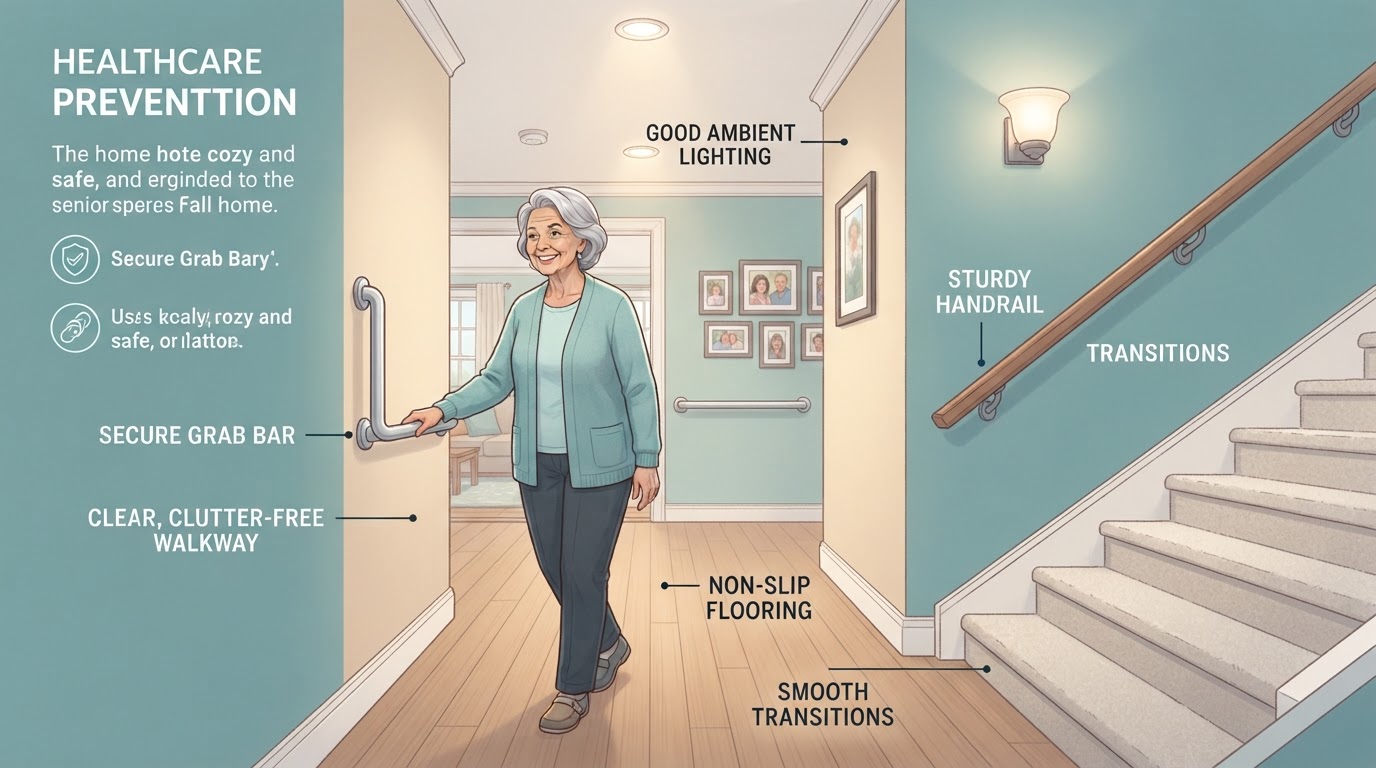
Falls are a serious health concern for older adults. According to the Centers for Disease Control and Prevention, one in four Americans aged 65 and older falls each year. Falls are the leading cause of both fatal and nonfatal injuries among seniors, resulting in fractures, head injuries, hospitalizations, and a significant decline in quality of life.
Beyond the physical injuries, falls can have a profound psychological impact. Many seniors who fall develop a fear of falling again, which leads them to reduce their physical activity. This decreased activity causes muscle weakness and joint stiffness, which ironically increases the risk of future falls. Breaking this cycle is essential for maintaining independence and wellbeing.
The encouraging news is that most falls are preventable. By understanding your risk factors, making practical modifications to your home, and working with your healthcare provider, you can significantly reduce your fall risk. Dr. Ddamulira offers comprehensive fall risk assessments and personalized prevention plans for seniors in the Avondale area.
Understanding Fall Risk Factors
Falls rarely have a single cause. They typically result from a combination of risk factors, some related to your health and others to your environment. Identifying your personal risk factors is the first step in prevention.
Medical Risk Factors
- Muscle weakness: Age-related loss of muscle mass (sarcopenia) affects balance and makes it harder to catch yourself if you stumble.
- Balance and gait problems: Conditions like Parkinson's disease, neuropathy, and arthritis can affect your balance and the way you walk.
- Vision changes: Reduced visual acuity, depth perception, and contrast sensitivity make it harder to detect hazards. Cataracts and glaucoma are common age-related vision problems.
- Medications: Certain medications, including sedatives, antidepressants, blood pressure medications, and some over-the-counter drugs, can cause dizziness, drowsiness, or drops in blood pressure when standing.
- Chronic conditions: Diabetes, heart disease, thyroid disorders, and vitamin D deficiency can all contribute to fall risk.
- Cognitive impairment: Dementia and delirium can affect judgment, attention, and spatial awareness.
- Postural hypotension: A sudden drop in blood pressure when standing up can cause dizziness and fainting.
Environmental Risk Factors
- Cluttered walkways and loose objects on the floor
- Poor lighting, especially on stairs and in hallways
- Loose rugs or carpets that can slip or bunch up
- Lack of grab bars in bathrooms
- Slippery floors in kitchens and bathrooms
- Uneven outdoor surfaces, cracked sidewalks, and steps without handrails
- Pets that can get underfoot
Making Your Home Fall-Safe
Since most falls happen at home, modifying your living environment is one of the most effective prevention strategies. Here is a room-by-room guide to making your home safer:
Throughout the Home
- Remove tripping hazards: Clear walkways of clutter, electrical cords, and loose objects. Secure or remove throw rugs, or use double-sided tape to keep them in place.
- Improve lighting: Ensure every room, hallway, and staircase is well-lit. Use nightlights in bedrooms and bathrooms. Consider motion-sensor lights for nighttime trips to the bathroom.
- Install handrails on both sides of all staircases. Make sure existing handrails are securely fastened.
- Wear supportive, non-slip footwear inside. Avoid walking in socks or slippers without treads.
Bathroom
- Install grab bars in the shower and near the toilet. Do not rely on towel racks, which are not designed to support body weight.
- Use a non-slip rubber mat or adhesive strips in the bathtub or shower.
- Consider a shower chair or bench if standing for long periods is difficult.
- Install a raised toilet seat if sitting down or standing up is challenging.
Kitchen
- Keep frequently used items within easy reach to avoid using step stools.
- Clean up spills immediately to prevent slipping.
- Ensure the floor is not waxed or slippery.
Bedroom
- Place a lamp within easy reach of the bed.
- Use a nightlight to illuminate the path from bed to bathroom.
- Consider a bed rail for support when getting in and out of bed.
- Keep a phone or medical alert device within reach at night.
Exercise and Balance Training
Regular exercise is the single most effective thing you can do to prevent falls. Exercise improves strength, balance, flexibility, and coordination, all of which are essential for staying steady on your feet.
Types of Exercise That Reduce Fall Risk
- Strength training: Building muscle, particularly in the legs and core, improves your ability to stand and walk steadily. Simple exercises like chair stands, leg raises, and wall push-ups can be done at home.
- Balance exercises: Tai chi is particularly effective for improving balance and reducing falls. Other balance exercises include standing on one foot, heel-to-toe walking, and using a balance board.
- Flexibility training: Stretching exercises improve range of motion and make it easier to move safely. Focus on stretching the calves, hamstrings, and hip flexors.
- Aerobic exercise: Walking, water aerobics, and stationary cycling improve overall fitness and cardiovascular health without putting excessive stress on joints.
Getting Started Safely
If you have not been active recently, talk to Dr. Ddamulira before starting a new exercise program. She can help you choose activities that are appropriate for your fitness level and medical conditions. Start slowly and gradually increase the duration and intensity of your workouts. Consider working with a physical therapist who can design a personalized exercise program and ensure you are performing exercises correctly.
Even small amounts of exercise make a difference. A daily 15-minute walk combined with a few balance exercises can significantly reduce your fall risk over time. The key is consistency. Find activities you enjoy and make them part of your daily routine.
Medication Review and Management
Medications are one of the most common, yet most modifiable, fall risk factors. Many medications can cause side effects that increase fall risk, including dizziness, drowsiness, blurred vision, and drops in blood pressure. The risk increases when you take multiple medications, a common situation for older adults managing several chronic conditions.
Medications That Can Increase Fall Risk
- Blood pressure medications (especially if they lower blood pressure too much)
- Sedatives and sleep medications
- Antidepressants and antianxiety medications
- Antihistamines (especially first-generation like diphenhydramine)
- Muscle relaxants
- Opioid pain medications
- Some diabetes medications (which can cause low blood sugar)
What You Can Do
- Bring all your medications to your appointment: Include prescription drugs, over-the-counter medications, vitamins, and supplements. Dr. Ddamulira can review them for interactions and side effects that may increase fall risk.
- Ask about alternatives: If a medication is causing dizziness or drowsiness, there may be an alternative with fewer side effects.
- Take medications as prescribed: Don't skip doses or double up. Follow the schedule exactly as prescribed.
- Be cautious with new medications: When starting a new medication, be extra careful about falls until you know how it affects you.
- Report side effects: If you experience dizziness, drowsiness, or unsteadiness, tell Dr. Ddamulira right away.
Vision, Hearing, and Foot Care
Your senses play a crucial role in maintaining balance and preventing falls. Vision helps you detect obstacles and navigate your environment, while hearing contributes to spatial awareness. Foot health affects your stability and comfort when walking.
Vision
- Have your vision checked annually. Changes in vision can happen gradually and go unnoticed.
- Update your eyeglass prescription regularly. Bifocals and progressive lenses can sometimes distort depth perception on stairs, so be cautious when using them.
- Treat cataracts and other eye conditions promptly.
- Ensure adequate lighting in your home, especially in areas where you read, cook, or navigate stairs.
Hearing
Research has shown that hearing loss is associated with an increased risk of falls. Hearing helps your brain maintain awareness of your surroundings and contributes to balance. If you suspect hearing loss, have it evaluated. Hearing aids can significantly improve safety and quality of life.
Foot Care
- Wear supportive, well-fitting shoes with non-slip soles, both inside and outside the home.
- Avoid walking barefoot or in socks, which can cause slipping.
- Check your feet regularly for sores, blisters, or nail problems, especially if you have diabetes.
- Consider seeing a podiatrist for foot problems that affect your gait or balance.
What to Do If You Fall
Despite your best efforts, a fall can still happen. Knowing what to do can help you stay calm and minimize injury.
If You Fall
- Stay calm: Take a moment to collect yourself. Don't try to get up immediately.
- Check for injuries: Before moving, assess whether you are hurt. If you are in severe pain or suspect a broken bone, do not try to get up. Call for help or use your medical alert device.
- If you are not seriously injured: Roll onto your side, then slowly get onto your hands and knees. Crawl to a sturdy piece of furniture (like a chair) and use it to support yourself as you slowly rise to a standing position.
- Sit and rest: Once you are up, sit down and rest. Check again for any injuries that may not have been apparent initially.
- Seek medical attention: Even if you feel fine, contact Dr. Ddamulira after a fall. Some injuries, including head injuries, may not be immediately obvious.
After a Fall
Experiencing a fall is an important signal that you should have a fall risk assessment. Dr. Ddamulira can help identify what may have contributed to the fall and recommend strategies to prevent future incidents. This may include reviewing your medications, checking your vision, assessing your balance and strength, and evaluating your home environment.
Fall prevention is an ongoing process, not a one-time fix. By staying proactive, maintaining your strength and balance, keeping your home safe, and working closely with your healthcare provider, you can reduce your fall risk and continue living independently. If you or a loved one is concerned about falls, schedule a fall risk assessment with Dr. Ddamulira today. Through telehealth or in-person care, she can help you develop a personalized prevention plan.
Need to discuss this with a doctor?
Dr. Ddamulira is accepting new patients in Avondale, AZ.
In this article
Expert Primary Care in Avondale
Don't ignore your health. Schedule a comprehensive evaluation with Dr. Marion Ddamulira today. We accept Medicare and most major insurances.
Related Articles
Browse All Health Tips Articles
Learn about the early warning signs, dietary adjustments, and how regular monitoring can help you live a full life with diabetes.

Small changes to your daily routine can make a massive difference in your cardiovascular health. Discover our top 5 evidence-based recommendations.

Why skipping your annual check-up could be costing you your health. Preventive care is the key to longevity and early detection.