
Mental Health and Aging: Nurturing Your Emotional Wellbeing
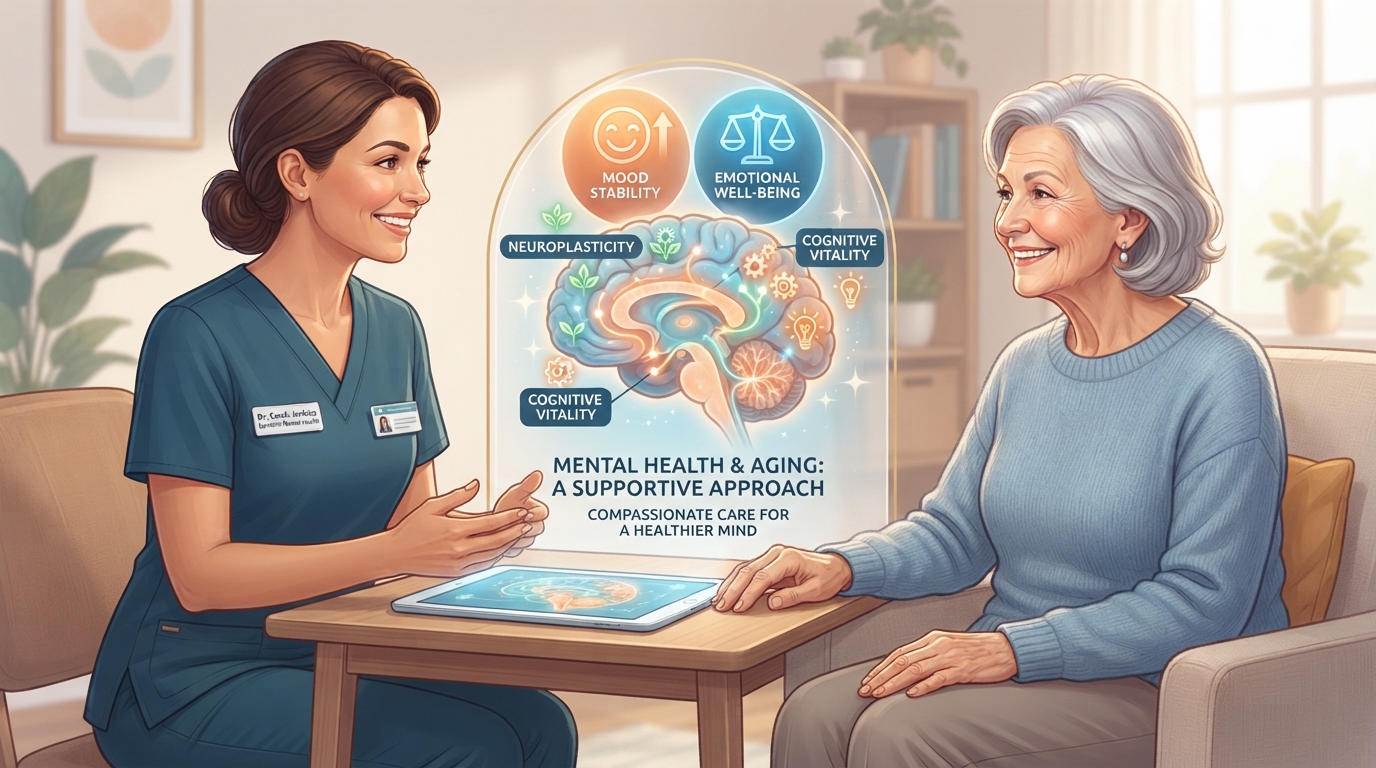
Mental health is an essential component of overall health at every stage of life, but it becomes particularly important as we age. Many people assume that feeling sad, anxious, or lonely is a normal part of getting older. This is a harmful misconception that prevents many seniors from seeking the help they need and deserve.
The truth is that older adults can and do live rich, fulfilling emotional lives. Mental health conditions like depression and anxiety are not a normal part of aging. They are medical conditions that are highly treatable. With proper care and support, seniors can manage mental health challenges and enjoy a high quality of life.
Unfortunately, mental health issues in older adults are often underrecognized and undertreated. Symptoms may be dismissed as "just getting older," attributed to physical illness, or overlooked entirely. Dr. Ddamulira routinely screens for mental health concerns during primary care visits and provides compassionate, comprehensive care that addresses both physical and emotional wellbeing.
Common Mental Health Conditions in Older Adults
Depression
Depression is one of the most common mental health conditions among older adults, affecting an estimated 15 to 20 percent of seniors. Unlike the temporary sadness that everyone experiences, depression is a persistent condition that interferes with daily life. Symptoms include:
- Persistent sad, anxious, or "empty" mood
- Loss of interest or pleasure in activities previously enjoyed
- Feelings of hopelessness, pessimism, guilt, or worthlessness
- Fatigue and decreased energy
- Difficulty concentrating, remembering, or making decisions
- Changes in sleep patterns (insomnia or oversleeping)
- Changes in appetite or weight
- Unexplained physical symptoms like aches and pains
- Thoughts of death or suicide
Depression in older adults may present differently than in younger people. Seniors are more likely to report physical symptoms (aches, fatigue, sleep problems) than emotional ones. This can lead to misdiagnosis if healthcare providers don't specifically screen for depression.
Anxiety Disorders
Anxiety is another common mental health condition in older adults. Types of anxiety that affect seniors include generalized anxiety disorder, panic disorder, and phobias. Symptoms include excessive worry, restlessness, irritability, muscle tension, sleep disturbances, and physical symptoms like rapid heartbeat and shortness of breath. Anxiety often coexists with depression and can significantly impact daily functioning.
Cognitive Disorders
While not mental health conditions in the traditional sense, cognitive disorders like dementia and mild cognitive impairment can have a profound impact on emotional wellbeing. The early stages of cognitive decline can cause anxiety, depression, and frustration as people struggle with memory and thinking changes.
Unique Challenges for Seniors
Older adults face specific life circumstances that can affect their mental health:
Loss and Grief
As we age, we are more likely to experience the loss of spouses, friends, siblings, and other loved ones. Grief is a natural response to loss, but prolonged or complicated grief can develop into depression. Multiple losses in a short period can be particularly overwhelming and may require professional support.
Social Isolation and Loneliness
Many older adults experience social isolation due to retirement, loss of friends and family, mobility limitations, and living alone. Chronic loneliness is associated with increased risk of depression, anxiety, cognitive decline, and even physical health problems like heart disease. The health impact of chronic loneliness has been compared to smoking up to 15 cigarettes a day.
Chronic Illness and Disability
Living with chronic conditions like diabetes, heart disease, arthritis, or chronic pain takes a significant toll on mental health. The daily management of chronic illness, along with the limitations it imposes, can lead to frustration, helplessness, and depression. Conversely, depression can make it harder to manage chronic conditions, creating a cycle that's difficult to break.
Life Transitions
Retirement, moving to a new home, loss of independence, financial concerns, and changes in family roles can all trigger emotional distress. Even positive transitions can be stressful and may require adjustment.
Medication Side Effects
Some medications commonly taken by older adults can cause or worsen mental health symptoms. For example, certain blood pressure medications, steroids, and sleep aids can cause depression or anxiety. A thorough medication review with Dr. Ddamulira can identify and address these issues.
The Mind-Body Connection
Mental and physical health are deeply interconnected. Mental health conditions can worsen physical health, and physical health problems can trigger or worsen mental health conditions. Understanding this connection is essential for comprehensive care.
How Mental Health Affects Physical Health
- Heart disease: Depression and anxiety increase the risk of heart attacks and worsen outcomes in people with existing heart disease. Chronic stress raises blood pressure and promotes inflammation.
- Immune function: Depression and chronic stress weaken the immune system, making you more susceptible to infections and slowing wound healing.
- Pain: Depression can increase sensitivity to pain, while chronic pain can worsen depression. Treating one often helps the other.
- Sleep: Mental health conditions often disrupt sleep, and poor sleep worsens mental health. This cycle can be difficult to break without treatment.
- Self-care: Depression can reduce motivation to exercise, eat well, take medications, and attend medical appointments, leading to worsening physical health.
How Physical Health Affects Mental Health
- Chronic pain: Persistent pain is a major risk factor for depression and anxiety.
- Chronic illness: Managing a chronic condition is stressful and can lead to burnout and depression.
- Nutritional deficiencies: Deficiencies in vitamin B12, vitamin D, and other nutrients can cause or worsen depression and cognitive symptoms.
- Hormonal changes: Thyroid disorders, which are common in older adults, can cause symptoms that mimic or contribute to depression and anxiety.
This is why Dr. Ddamulira takes a holistic approach to care, addressing both physical and mental health as interconnected aspects of your overall wellbeing.
Strategies for Maintaining Mental Wellness
There are many practical strategies that older adults can use to maintain and improve their mental health. These approaches can be used alongside professional treatment or as preventive measures.
Stay Connected
- Maintain regular contact with family and friends through phone calls, video chats, or in-person visits.
- Join community groups, senior centers, faith communities, or clubs that match your interests.
- Consider volunteering, which provides social connection and a sense of purpose.
- If mobility is a challenge, explore virtual communities and online support groups.
Stay Active
Regular physical activity is one of the most effective natural treatments for depression and anxiety. Exercise releases endorphins, improves sleep, boosts self-esteem, and provides social opportunities. Even gentle activities like walking, yoga, or water aerobics can make a significant difference in mental wellbeing.
Keep Your Mind Engaged
- Read books, do puzzles, play games, or learn a new skill.
- Take a class at a local community center or online.
- Engage in creative activities like art, music, writing, or gardening.
- Stay informed about current events, but avoid excessive news consumption if it causes anxiety.
Practice Self-Care
- Prioritize sleep: Maintain a consistent sleep schedule and create a restful environment.
- Eat well: A nutritious diet supports both physical and mental health.
- Limit alcohol: Alcohol is a depressant and can worsen mental health symptoms and interact with medications.
- Practice relaxation: Deep breathing, meditation, prayer, or simply spending time in nature can reduce stress.
Find Purpose and Meaning
Having a sense of purpose is strongly associated with mental wellbeing in older adults. This might come from relationships, hobbies, volunteering, faith, lifelong learning, or simply helping others. Finding what gives your life meaning and making time for it is an important part of emotional health.
When to Seek Professional Help
While self-care strategies are valuable, they are not a substitute for professional treatment when mental health conditions are present. It is important to recognize when to seek help.
Signs You Should Talk to Your Doctor
- Persistent feelings of sadness, anxiety, or emptiness that last more than two weeks
- Loss of interest in activities you usually enjoy
- Significant changes in sleep, appetite, or energy
- Difficulty concentrating or making decisions
- Unexplained physical symptoms like headaches, digestive problems, or chronic pain
- Feeling hopeless, worthless, or guilty
- Withdrawing from social activities
- Increased use of alcohol or medications
- Thoughts of death or suicide
What to Expect When You Seek Help
Dr. Ddamulira will listen to your concerns without judgment and conduct a thorough assessment. This may include screening questionnaires, a review of your medications (to check for side effects), blood tests (to rule out physical causes like thyroid problems or vitamin deficiencies), and a discussion of your symptoms and life circumstances.
Treatment for mental health conditions may include:
- Medication: Antidepressants and antianxiety medications can be very effective. Dr. Ddamulira will carefully consider medication choices based on your other health conditions and medications.
- Therapy: Talk therapy (counseling) helps you develop coping skills, process emotions, and change negative thought patterns. Telehealth visits make therapy more accessible than ever.
- Lifestyle changes: Exercise, improved sleep habits, social engagement, and stress management techniques.
- Referral to a specialist: For complex cases, Dr. Ddamulira may refer you to a psychiatrist or therapist for specialized care.
If You Are in Crisis
If you or someone you know is having thoughts of suicide, call or text 988 to reach the Suicide and Crisis Lifeline, available 24 hours a day, 7 days a week. You can also call 911 or go to the nearest emergency room. Mental health crises are medical emergencies that require immediate attention.
Mental health is health. There is no shame in seeking help, and treatment works. If you are struggling emotionally, don't suffer in silence. Schedule an appointment with Dr. Ddamulira today. Through compassionate, confidential care, she can help you regain your emotional balance and enjoy life to the fullest.
Need to discuss this with a doctor?
Dr. Ddamulira is accepting new patients in Avondale, AZ.
In this article
Expert Primary Care in Avondale
Don't ignore your health. Schedule a comprehensive evaluation with Dr. Marion Ddamulira today. We accept Medicare and most major insurances.
Related Articles
Browse All Health Tips Articles
Learn about the early warning signs, dietary adjustments, and how regular monitoring can help you live a full life with diabetes.

Small changes to your daily routine can make a massive difference in your cardiovascular health. Discover our top 5 evidence-based recommendations.

Why skipping your annual check-up could be costing you your health. Preventive care is the key to longevity and early detection.