
Understanding and Managing High Cholesterol: A Complete Guide
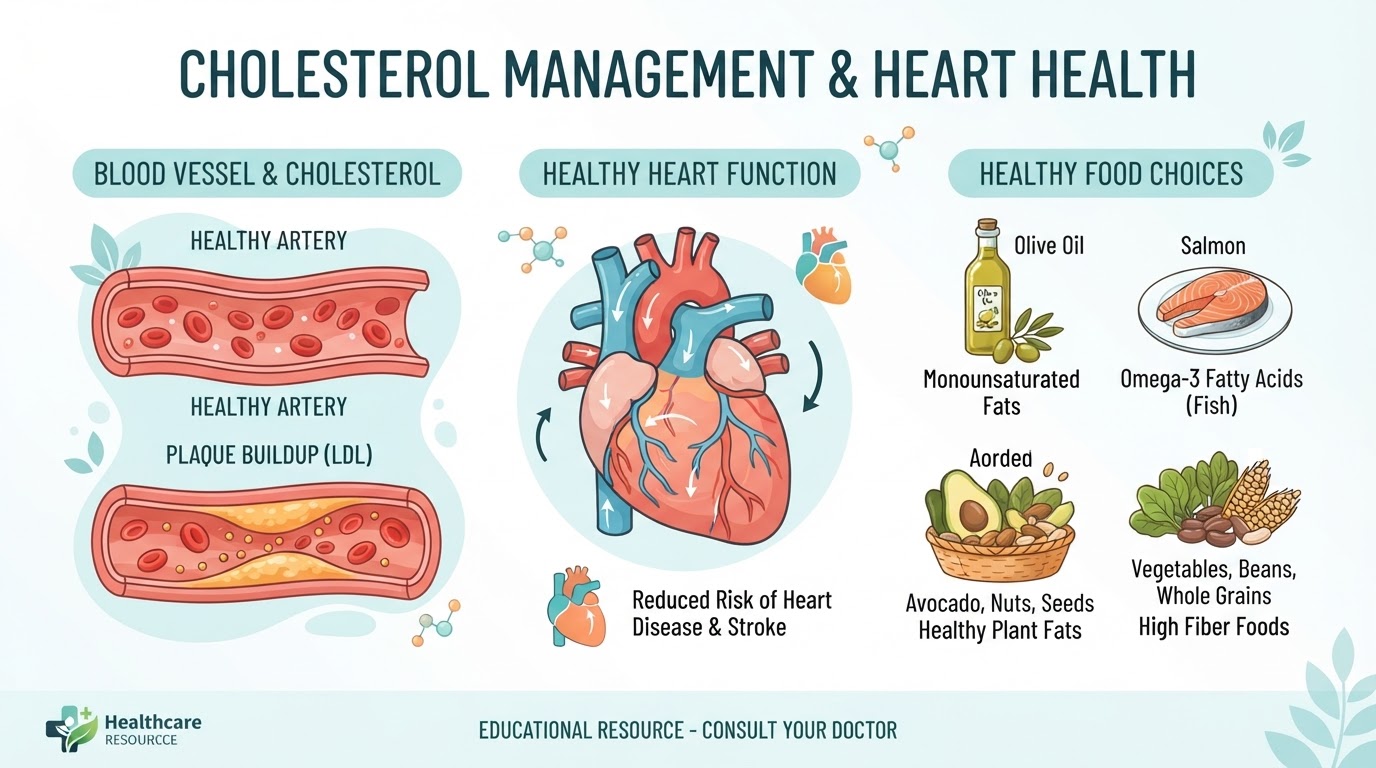
Cholesterol is a waxy, fat-like substance that travels through your bloodstream. Your body needs some cholesterol to build healthy cells, produce hormones, and aid in digestion. However, when cholesterol levels become too high, it can lead to serious health problems, including heart disease, stroke, and peripheral artery disease.
High cholesterol, also called hypercholesterolemia, is one of the most common health conditions in the United States, affecting tens of millions of adults. What makes it particularly dangerous is that it produces no symptoms. You can have dangerously high cholesterol for years without knowing it. The only way to detect it is through a simple blood test called a lipid panel.
The good news is that high cholesterol is highly manageable. With the right combination of lifestyle changes and, when necessary, medication, most people can bring their cholesterol levels into a healthy range and significantly reduce their risk of cardiovascular complications. Dr. Ddamulira provides comprehensive cholesterol management through routine screening, personalized treatment plans, and ongoing monitoring.
Understanding the Types of Cholesterol
Cholesterol travels through your bloodstream attached to proteins called lipoproteins. There are several types of lipoproteins, but the two most important to understand are LDL and HDL.
LDL (Low-Density Lipoprotein) - "Bad" Cholesterol
LDL carries cholesterol particles through your body. When there is too much LDL in your blood, it can build up on the walls of your arteries, forming plaque. This process, called atherosclerosis, narrows the arteries and restricts blood flow. If a plaque ruptures, it can form a blood clot that can cause a heart attack or stroke. Lowering your LDL cholesterol is the primary goal of cholesterol management.
HDL (High-Density Lipoprotein) - "Good" Cholesterol
HDL acts as a scavenger, picking up excess cholesterol from your bloodstream and carrying it back to your liver, where it is processed and removed from your body. Higher levels of HDL are associated with a lower risk of heart disease. Think of HDL as the cleanup crew that helps keep your arteries clear.
Triglycerides
Triglycerides are another type of fat in your blood. When you eat, your body converts any calories it doesn't need right away into triglycerides, which are stored in fat cells. High triglyceride levels, especially when combined with high LDL or low HDL, significantly increase your risk of cardiovascular disease.
What Your Numbers Mean
- Total cholesterol: Less than 200 mg/dL is desirable. 200 to 239 mg/dL is borderline high. 240 mg/dL and above is high.
- LDL (bad) cholesterol: Less than 100 mg/dL is optimal. 100 to 129 mg/dL is near optimal. 130 to 159 mg/dL is borderline high. 160 mg/dL and above is high.
- HDL (good) cholesterol: 60 mg/dL or higher is protective against heart disease. Less than 40 mg/dL for men or 50 mg/dL for women is considered low and increases risk.
- Triglycerides: Less than 150 mg/dL is normal. 150 to 199 mg/dL is borderline high. 200 mg/dL and above is high.
Causes and Risk Factors
High cholesterol can be caused by a combination of genetic and lifestyle factors. Understanding your personal risk factors can help you and Dr. Ddamulira develop an effective management plan.
Genetic Factors
Your genes partly determine how much cholesterol your body makes. Some people inherit a condition called familial hypercholesterolemia, which causes very high LDL cholesterol from a young age. If you have a family history of early heart disease (before age 55 in male relatives or 65 in female relatives), you may be at higher risk.
Lifestyle Factors
- Diet: Eating foods high in saturated fats (found in red meat, full-fat dairy, and fried foods) and trans fats raises LDL cholesterol. Conversely, a diet rich in soluble fiber, fruits, vegetables, and healthy fats can help lower it.
- Physical inactivity: Lack of exercise can contribute to weight gain and lower HDL cholesterol. Regular physical activity helps raise HDL while lowering LDL and triglycerides.
- Obesity: Having a body mass index (BMI) of 30 or greater increases your risk of high cholesterol. Carrying excess weight around your waist is particularly risky.
- Smoking: Smoking damages the walls of your blood vessels, making them more susceptible to plaque buildup. It also lowers HDL cholesterol.
- Age and gender: As you age, your liver's ability to clear LDL cholesterol from the blood decreases. After menopause, women's LDL levels tend to rise.
- Diabetes: High blood sugar damages the lining of your arteries and can contribute to a condition called diabetic dyslipidemia, which lowers HDL and raises triglycerides.
Complications of High Cholesterol
Left untreated, high cholesterol can lead to serious and potentially life-threatening complications. The primary danger is the buildup of plaque in your arteries (atherosclerosis), which can affect arteries throughout your body.
- Coronary artery disease: When plaque builds up in the arteries that supply blood to your heart, it can cause chest pain (angina), shortness of breath, and ultimately a heart attack if an artery becomes completely blocked.
- Stroke: If plaque builds up in the arteries leading to your brain, it can reduce blood flow and cause a stroke. A stroke occurs when blood flow to part of the brain is interrupted or severely reduced, depriving brain tissue of oxygen and nutrients.
- Peripheral artery disease (PAD): Plaque can also build up in the arteries that supply blood to your limbs, usually your legs. This can cause pain, numbness, and, in severe cases, tissue death that may require amputation.
- Heart failure: Over time, coronary artery disease can weaken the heart muscle, leading to heart failure, a condition in which the heart can't pump enough blood to meet the body's needs.
The key to preventing these complications is early detection and proactive management. Regular cholesterol screening, starting at age 20 and repeated every 4 to 6 years for healthy adults (more frequently if you have risk factors), is essential. Dr. Ddamulira can assess your risk and recommend an appropriate screening schedule.
Dietary Changes to Lower Cholesterol
Diet is one of the most powerful tools for managing cholesterol. The foods you eat can either contribute to or help reduce plaque buildup in your arteries. Making smart dietary choices can lower LDL cholesterol by 10 to 20 percent or more.
Foods to Emphasize
- Soluble fiber: Found in oats, beans, lentils, apples, pears, and Brussels sprouts. Soluble fiber binds to cholesterol in your digestive system and helps remove it from your body before it enters circulation.
- Healthy fats: Replace saturated fats with monounsaturated and polyunsaturated fats. Good sources include olive oil, avocados, nuts (especially almonds and walnuts), and seeds.
- Omega-3 fatty acids: Found in fatty fish like salmon, mackerel, sardines, and trout. Omega-3s don't directly lower LDL, but they reduce triglycerides and lower the risk of heart attack and stroke.
- Plant sterols and stanols: These naturally occurring substances, found in small amounts in many fruits, vegetables, nuts, and seeds, block the absorption of cholesterol. Fortified foods and supplements are also available.
- Soy protein: Tofu, edamame, and soy milk can help lower LDL when they replace animal protein sources high in saturated fat.
Foods to Limit or Avoid
- Saturated fats: Found in red meat, butter, cheese, full-fat milk, and tropical oils (coconut and palm oil). Limit saturated fat to less than 7% of your total daily calories.
- Trans fats: Found in some fried foods, baked goods, and processed snacks. Trans fats are particularly harmful because they raise LDL while lowering HDL. Look for "partially hydrogenated oils" on ingredient lists.
- Refined carbohydrates and added sugars: These can raise triglyceride levels and lower HDL. Limit sugary drinks, sweets, and foods made with white flour.
Exercise and Weight Management
Regular physical activity is essential for managing cholesterol and overall cardiovascular health. Exercise helps raise HDL cholesterol, lower LDL cholesterol, reduce triglycerides, and improve your body's ability to use insulin effectively.
How Much Exercise Do You Need?
The American Heart Association recommends at least 150 minutes of moderate-intensity aerobic exercise or 75 minutes of vigorous aerobic exercise per week. You can break this into manageable sessions, such as 30 minutes of brisk walking five days a week.
Types of Exercise That Help
- Aerobic exercise: Walking, jogging, cycling, swimming, and dancing are excellent for cardiovascular health. Aim for activities that raise your heart rate and make you breathe harder.
- Resistance training: Lifting weights, using resistance bands, or doing bodyweight exercises (push-ups, squats) helps build muscle, which improves metabolism and helps your body process cholesterol more efficiently.
- Flexibility and balance: Yoga and stretching improve circulation and reduce stress, which indirectly benefits cholesterol levels.
The Role of Weight Loss
If you are overweight, losing even 5 to 10 percent of your body weight can significantly improve your cholesterol profile. Weight loss helps lower LDL cholesterol and triglycerides while raising HDL cholesterol. Dr. Ddamulira can help you set realistic weight loss goals and develop a personalized plan that fits your lifestyle and medical needs.
Medications for Cholesterol Management
For some people, lifestyle changes alone are not enough to bring cholesterol levels into a healthy range. If your cholesterol remains high despite diet and exercise modifications, or if you have other risk factors for heart disease, Dr. Ddamulira may recommend medication.
Common Cholesterol Medications
- Statins: The most commonly prescribed cholesterol medications. Statins work by blocking the substance your liver needs to make cholesterol and helping your body reabsorb cholesterol from plaque deposits in your arteries. Examples include atorvastatin, simvastatin, and rosuvastatin.
- Bile acid sequestrants: These medications bind to bile acids in your intestine, prompting your liver to use excess cholesterol to make more bile acids, which reduces the level of cholesterol in your blood.
- Cholesterol absorption inhibitors: These medications help reduce blood cholesterol by limiting the absorption of dietary cholesterol in the small intestine.
- PCSK9 inhibitors: A newer class of injectable medications that can dramatically lower LDL cholesterol, often used for people with genetic high cholesterol or those who cannot tolerate statins.
- Fibrates: Primarily used to lower triglyceride levels and may modestly increase HDL cholesterol.
If you are prescribed a cholesterol medication, it is important to take it exactly as directed. Do not stop taking your medication without consulting Dr. Ddamulira, even if you feel fine. Most cholesterol medications need to be taken long-term to maintain their benefits. Regular follow-up visits, which can be conducted conveniently via telehealth, allow Dr. Ddamulira to monitor your cholesterol levels, assess the effectiveness of your treatment, and check for any side effects.
Monitoring and Long-Term Prevention
Managing cholesterol is a lifelong commitment. Even if you successfully lower your cholesterol through lifestyle changes or medication, maintaining those improvements requires ongoing effort and monitoring.
Regular Screening
Dr. Ddamulira will recommend how often you should have your cholesterol checked based on your individual risk profile. For most adults with normal cholesterol, screening every 4 to 6 years is sufficient. If you have high cholesterol, diabetes, or other cardiovascular risk factors, you may need more frequent testing.
Building Healthy Habits That Last
- Make heart-healthy eating a permanent part of your lifestyle, not a temporary diet.
- Find physical activities you genuinely enjoy, so exercise becomes something you look forward to rather than a chore.
- If you smoke, quitting is one of the most important things you can do for your cholesterol and overall heart health.
- Manage stress through relaxation techniques, hobbies, and social connection.
- Get 7 to 9 hours of quality sleep each night.
- Keep all scheduled appointments with your healthcare provider.
High cholesterol is a manageable condition, not a life sentence. With the right combination of lifestyle changes, medical care, and ongoing monitoring, you can protect your heart and enjoy a long, healthy life. If you haven't had your cholesterol checked recently, or if you know your numbers are high, don't wait. Schedule an appointment with Dr. Ddamulira today and take control of your cholesterol and your heart health.
Need to discuss this with a doctor?
Dr. Ddamulira is accepting new patients in Avondale, AZ.
In this article
Expert Primary Care in Avondale
Don't ignore your health. Schedule a comprehensive evaluation with Dr. Marion Ddamulira today. We accept Medicare and most major insurances.
Related Articles
Browse All Health Tips Articles
Learn about the early warning signs, dietary adjustments, and how regular monitoring can help you live a full life with diabetes.

Small changes to your daily routine can make a massive difference in your cardiovascular health. Discover our top 5 evidence-based recommendations.

Why skipping your annual check-up could be costing you your health. Preventive care is the key to longevity and early detection.